Ads

Tuesday, September 26, 2023

Microsoft's new Call of Duty deal set for UK approval
 

Microsoft's new Call of Duty deal set for UK approval

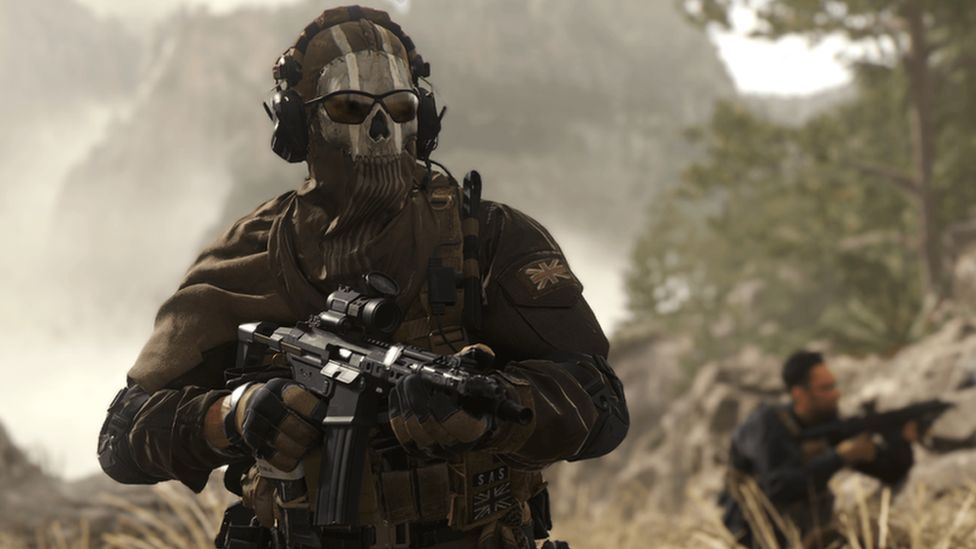
Image of character from Call of Duty Modern Warfare IIIMAGE SOURCE,ACTIVISION

The UK's competition watchdog has said Microsoft's revised offer to buy the Call of Duty maker Activision Blizzard "opens the door" to the deal being cleared.

The Competition Markets Authority (CMA) said the updated deal appeared to address concerns it had raised.

Under the new proposals, Microsoft will not buy the cloud gaming rights owned by Activision Blizzard.

Its original $69bn (£59bn) deal was blocked by UK regulators.

Earlier this year, the CMA prevented Microsoft from taking on the whole of Activision over concerns that the deal would harm competition in cloud gaming in the UK.

Microsoft then submitted a restructured deal for the competition watchdog to look at last month.

Under the new offer, Microsoft agreed to transfer the rights to stream Activision games from the cloud to the French video games publisher Ubisoft for 15 years.

The sale to Ubisoft of this portion of Activision's business will mean the cloud streaming of games like Call of Duty, Overwatch and World of Warcraft will not come under Microsoft's control.

the CMA's chief executive, Sarah Cardell, said: "The CMA's position has been consistent throughout - this merger could only go ahead if competition, innovation, and choice in cloud gaming was preserved."

A consultation will be opened before a final decision on the deal is taken.

Controversial deal

This latest update is likely to come as a big relief for those bosses at the top of Microsoft and Activision who have pushed hard, and risked reputations, to get this deal over the line.

Microsoft's plan to buy Activision Blizzard - the largest takeover in the history of the gaming industry - was originally announced in January last year.

However, it has proved controversial and received a mixed response from regulators around the world.

The deal was passed by regulators in the European Union in May, while the US competition watchdog recently saw its attempt to pause the purchase rejected by an appeals court.

Given that the takeover looked like it would collapse earlier this year, the fact that it is now on the verge of approval is some achievement.

However, in its latest announcement, the CMA's Ms Cardell said: "It would have been far better... if Microsoft had put forward this restructure during our original investigation.

"This case illustrates the costs, uncertainty and delay that parties can incur if a credible and effective remedy option exists but is not put on the table at the right time."

Sony also objected to the deal originally, concerned that Microsoft could stop major games being made available to its own PlayStation business.

The CMA said that with extra protections, the move would mean that gamers have the opportunity to access Activision's games in many different ways, including through the cloud-based multigame subscription services.

It added that while it still had "limited residual concerns", the revised deal "keeps the cloud distribution of these important games in the hands of a strong independent supplier, Ubisoft, rather than under the control of Microsoft".

Ms Cardell told the BBC's Today programme that this was "not a tweak", but a "fundamentally restructured deal".

The agreement brings to a close the first "test case" for the CMA - and reveals how competition rules might work in the UK - since it gained extra powers after Brexit.
Candy CrushIMAGE SOURCE,GETTY IMAGES
Image caption,
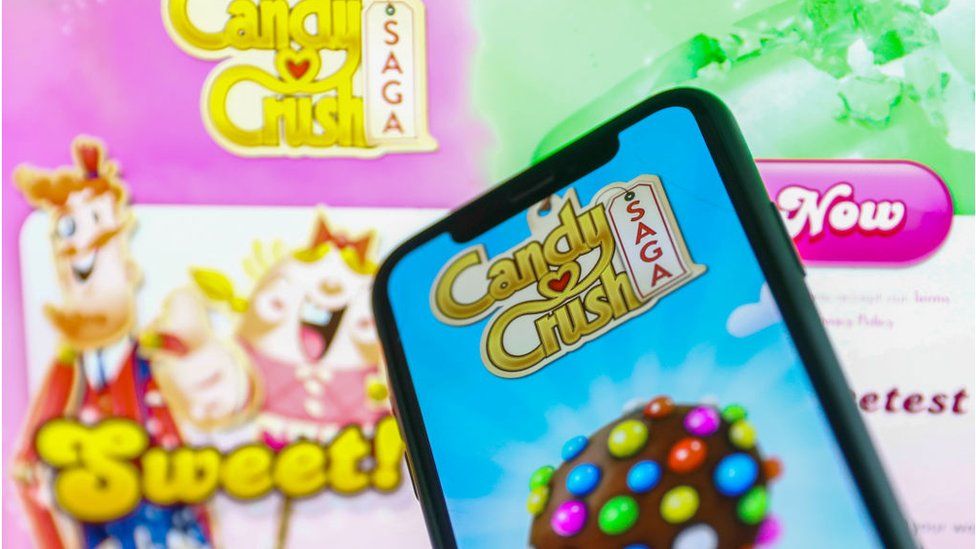
The proposed deal includes big franchises like Call of Duty and Candy Crush

Microsoft still hopes the merger will boost demand for its Xbox console and its gaming subscription business.

Its vice chairman and president Brad Smith said it was "encouraged" by this positive step.

"We presented solutions that we believe fully address the CMA's remaining concerns related to cloud game streaming, and we will continue to work toward earning approval to close prior to the 18 October deadline."

Microsoft hopes the CMA will make a final decision on the revised bid next month - after the consultation closes on 6 October. Without its approval, the deal cannot go ahead globally.

Activision said that the preliminary approval was "great news" for its future with Microsoft.

"We look forward to working with Microsoft toward completing the regulatory review process," it added.

It may take some time for players to notice what this all means. But with Microsoft taking control of such a major slice of gaming real estate, business strategists and games makers at the company are pondering what they can do with access to some of the biggest franchises in gaming.

Although any big announcements on what games or updates might be next are yet to be made, one expert told the BBC that the deal placed Microsoft in a "unique position".

Gareth Sutcliffe, senior games analyst at Enders Analysis, pointed out that it will bring Activision's studio solely for mobile games in-house for Microsoft.

"It's ultimately about covering all games imaginable with one subscription. Microsoft can now cover every different platform - mobile, consoles and PC.

"It's all about the transfer of knowledge [from Activision's team]," he added, while Microsoft will hope Activision continues the successes of its games like Candy Crush.

The announcement from the comes days after an unredacted document accidentally made public during Microsoft's battle with US regulators appeared to suggest the company planned to release refreshed versions of its Xbox Series S and Series X consoles in 2024.

One presentation slide included in the leak showed plans for a new next-generation console in 2028, although there were few details.

It also included an old memo suggesting Nintendo was at one point floated as a potential purchase for Microsoft, although this would have been sent prior to any bid emerging for Activision.


Reddit to begin paying people for popular posts


Reddit to begin paying people for popular posts

Reddit icon displayed on a phone screenIMAGE SOURCE,GETTY IMAGES

Reddit has unveiled plans to pay its top contributors cash for popular posts, starting in the US on Tuesday.

The social media site will split revenue with people who are awarded "gold" by other users, who pay a fee.

Gold awards will range in price from $1.99 (£1.63) to $49 (£40), with users receiving as much as half of that.

It marks a turnaround for the company since a backlash in June, when much of Reddit of its senior management.

Ultimately, the majority of groups on platform returned - although some notable absences remain, such as the end of a long-standing subreddit to make them more accessible for visually impaired people.

A subreddit is a forum within the Reddit platform - effectively a community of people who gather to discuss a particular interest.

Reddit users - or Redditors - will typically join a variety of subreddits, rather than following individual users on other platforms, and see posts from these communities in their feed.

Gold has been a part of Reddit for a long time, and was originally intended as a sort of virtual reward for posts or comments that people particularly liked.

A Redditor could pay a nominal fee to give another user gold, but this would have no real-world value and the fee would go to the upkeep of the platform.

It did, however, have the benefit of affecting how a person used the site.

At one point, if a user was awarded gold they could browse Reddit for a week without seeing any adverts. Later, there was a more expensive platinum award that gave Redditors a full month without ads.

Always believe in gold

The announcement has proved to be divisive on the social media platform.

Some Redditors expressed concern that it may lead to the site getting  while others remain cautiously optimistic.

"I think Reddit had to find a way to reward its most valuable users," said social media expert Matt Navarra. "To incentivise top creators, you need to provide opportunities for them to generate an income, either by paying them directly, or by giving them tools to generate an income from their fans."

But he said there was a risk that incentivising people with real money could have an impact on the kind of content that gets popular on Reddit.

"X now rewards Premium subscribers with an ad revenue share tied to the number of impressions, or views, of ads a user generates in their tweet replies," he said.

"This incentives X users to post content that sparks the most replies, and the characteristics of content that typically generates the most replies is content that is divisive, polarising, provocative, and controversial... exactly the sort of content that brands do not want to have their ads placed amongst.

"This has been problematic for Elon Musk, and it could become a new problem for Reddit's founders too."

Taking off the hijab: 'My dream was to wear what I wanted'


Taking off the hijab: 'My dream was to wear what I wanted'

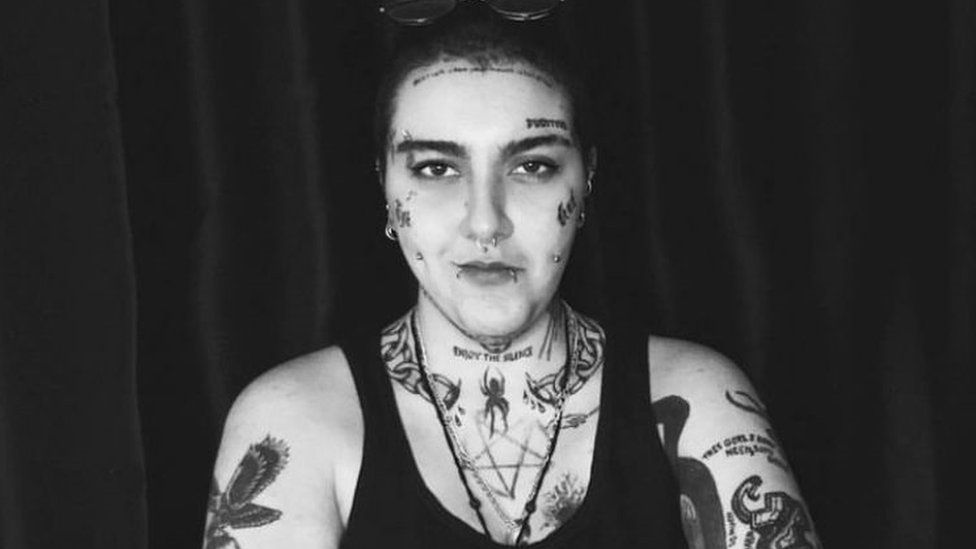
Ribell wearing a sleeveless top showing her tattoosIMAGE SOURCE,SUPPLIED
Image caption,
Ribell now works as a tattoo artist in Turkey, having left her life in Iran behind

For some Muslim women, choosing to stop wearing the hijab, or headscarf, can be a difficult decision to make.

They may face a backlash from their family or be shunned by their community. And in some countries, laws add to this pressure.

Iran's parliament has just passed a controversial bill that would significantly increase prison terms and fines for women and girls who break its strict dress code.

The bill - which needs the approval of constitutional watchdog the Guardian Council to become law - follows widespread protests at which women have taken to the streets and removed their hijabs.

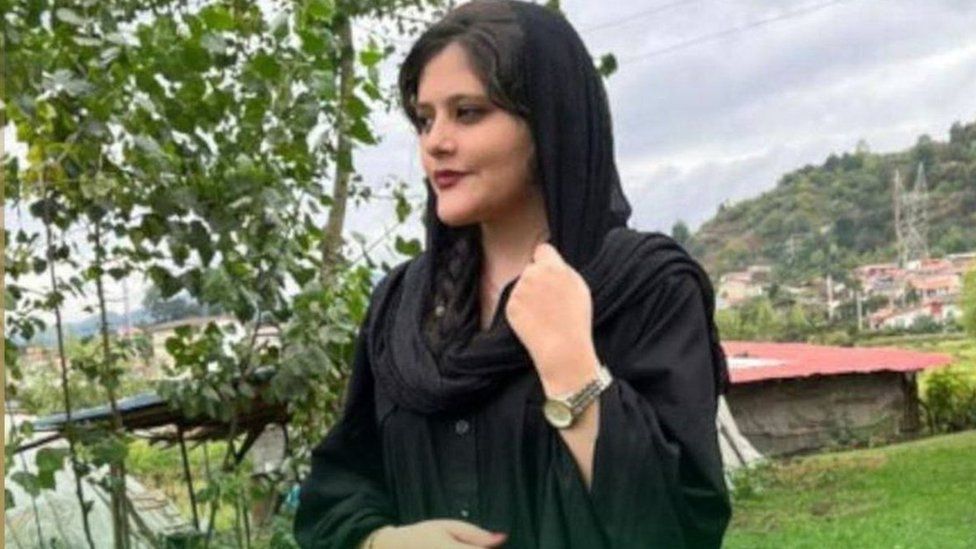
They were sparked by the death of Mahsa Amini in morality police custody a year ago. She had been arrested for allegedly wearing her hijab too loosely.


For many of the approximately one billion Muslim women around the world, it is their choice to wear the hijab.

But for those who wish to take off their veil, it can take years to overcome the pressure and make that decision.

Mahsa AminiIMAGE SOURCE,MAHSA AMINI FAMILY
Image caption,
Mahsa Amini died three days after being detained by morality police for allegedly wearing her hijab too loosely

"My dream was to have one day a week when only women could go on to the streets and we could wear whatever we wanted," says Ribell, which is not her real name.

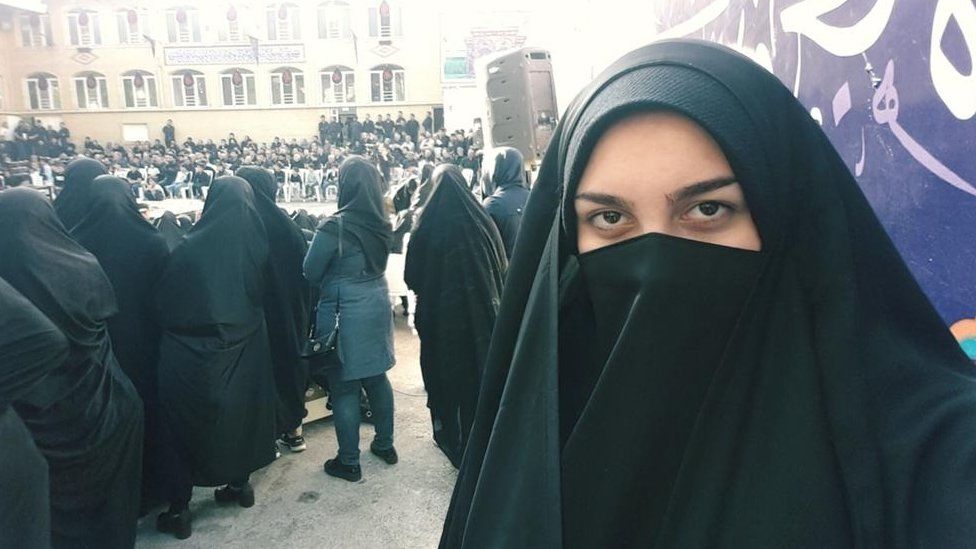
She was nine when her family, living in a town outside of Iran's capital Tehran, made her start wearing the chador. One of the most conservative types of hijab, the chador is a full-body cloak that is often accompanied by a smaller headscarf underneath.

From the age of six, her parents had been preparing her to start covering.

"They kept telling me that I would have to wear the hijab, that it is my duty to God, and if I refused, I would be eternally punished after my death - not to mention, that I would bring my parents into disrepute and upset them," she tells the BBC.

She says that as a child, she dreamt of wearing shorts and T-shirts.

Ribell is now 23 and has left Tehran to seek asylum in Turkey, where she works as a tattoo artist.

She remembers being terrified by what her parents had told her.

"I lived with this constant sense of guilt. I didn't know where it came from but it was there," she says.

She used to envy other girls she saw in her community who wore a less conservative type of hijab.

Ribell wearing a hijab that shows her eyes and foreheadIMAGE SOURCE,SUPPLIED
Image caption,
Ribell's parents made her wear a chador, one of the most conservative types of hijab, from the age of nine

Wearing the hijab in public spaces in Iran is mandatory for women and girls as young as nine, but at home and at private gatherings many women choose not to cover their heads. Ribell's family was very religious and conservative.

"My mum would tell me not to show my bare arms or legs even in front of my brothers who were teenagers, because this might cause them to sin," she says.

When Ribell was 17, her parents enrolled her in an Islamic seminary for women.

"It was either that or I had to get married," she says.

She hated the seminary, she says, and found the curriculum prejudiced against women. It destroyed her belief in the hijab.

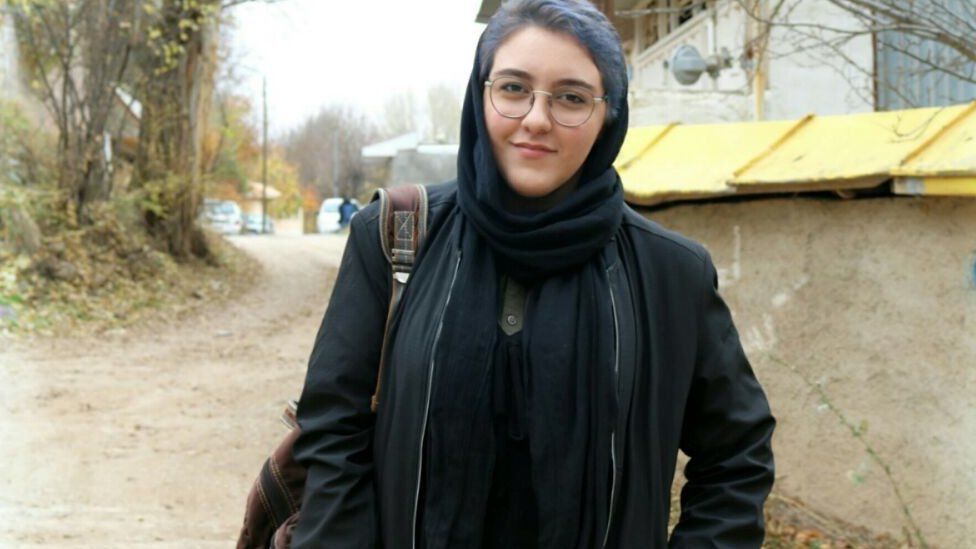
Ribell wearing a hijabIMAGE SOURCE,SUPPLIED
Image caption,
Ribell eventually she decided her only option was to leave Iran and go to Turkey

On the day she decided to quit, she wore a coat that ended just above her knee with a loose scarf, showing off chunks of her freshly dyed flaming red hair.

The headmistress of the seminary called her parents and told them not to allow her to walk the streets looking like "a prostitute", says Ribell.

Her grandmother called their home wishing my parents would "break my legs so I couldn't leave the house".

Ribell says her mother told her she wished "God would take my [Ribell's] life so our family wouldn't have to suffer so much".

As the abuse continued, Ribell tried to take her own life. She woke up in hospital after the attempt with her father standing over the bed, shouting at her.

Eventually she decided her only option was to leave Iran and go to Turkey, where hijabs are not mandatory and she can now live openly without one. She's no longer in touch with her family.

Ribell's story may be extreme, but it is not an isolated experience.

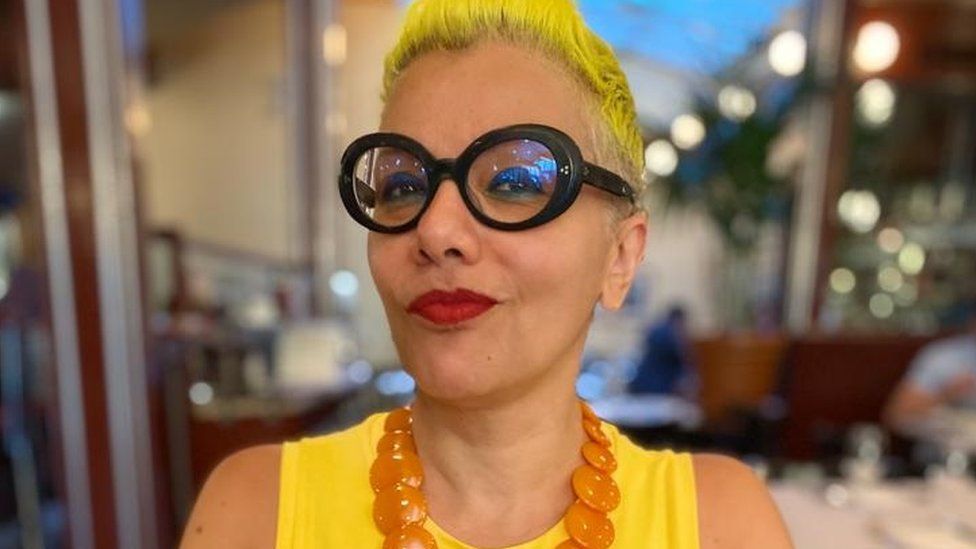
Mona EltahawyIMAGE SOURCE,SUPPLIED
Image caption,
Mona Eltahawy is an author who has written extensively about women's bodily autonomy

Even though her family wasn't as strict as Ribell's, it was still difficult for the Egyptian-American feminist activist and author Mona Eltahawy to take off her hijab.

She says she wore the hijab for nine years after moving to Saudi Arabia at the age of 16, and "spent eight of them trying to take it off".

One of the reasons it was so hard was because her family were opposed to her removing it.

"When I finally found the courage, I left the house [in Egypt] with the hijab half way across my head. I couldn't just take it all off," Mona says with a laugh.

She didn't feel comfortable going without a veil for a long while.

"It took me several years to be able to tell people that I used to wear the hijab, because I was so ashamed that I had taken it off," she says.

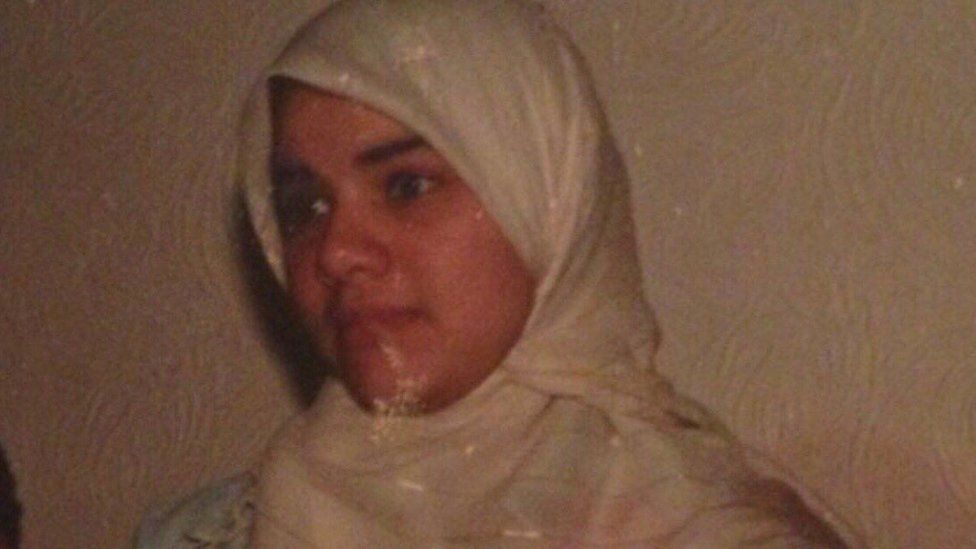
Mona when she was younger, wearing a white scarf that covers her headIMAGE SOURCE,SUPPLIED
Image caption,
Mona wore a hijab for nine years

Mona, who wrote a book about women's rights over their bodies, Headscarves and Hymens, has been following the protests in Iran closely.

Women were seen taking off their hijab, burning it or swinging it in the air while chanting, "Woman. Life. Freedom."

Mona says that what is happening in Iran is more than just a call for political change.

"It is true that the state oppresses both men and women," she says, "but the street, state and home, all together oppress women and queer people, and the Iranian women's fight against mandatory hijab is a fight against all these three."

The BBC has spoken to a number of women inside Iran who come from religious and conservative families and say that after the recent uprising, their families have become supportive of their choice to take off their hijab.

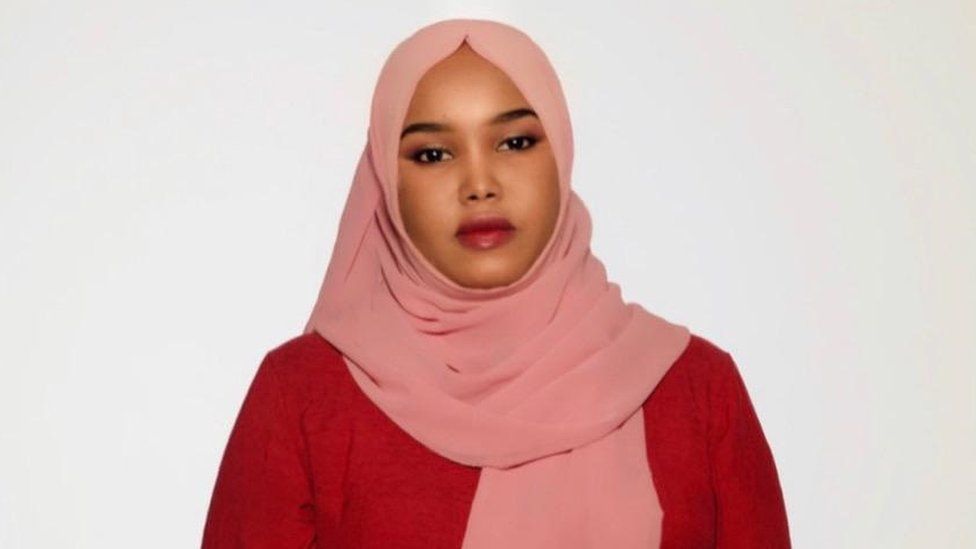
Bella wearing a pink headscarfIMAGE SOURCE,SUPPLIED
Image caption,
Bella wore a hijab for most of her life but decided to remove it after the women-led protests erupted in Iran

One Muslim woman who found inspiration in the protests in Iran is Bella Hassan, a journalist with the BBC World Service.

She was born and raised in Mogadishu, the capital of Somalia, and had worn the hijab for most of her life.

In 2022, during the peak of the protests in Iran and after living in London for a year, she decided to remove it.

"I have a lot of Iranian friends and they kept me up to date with how women were standing up for their right to live how they want and that truly inspired me," she says.

"I thought: I am no longer in Mogadishu, I am in London. I have the freedom to do what I want."

Her family in Mogadishu was not happy with her decision to abandon the hijab but respected her choice.

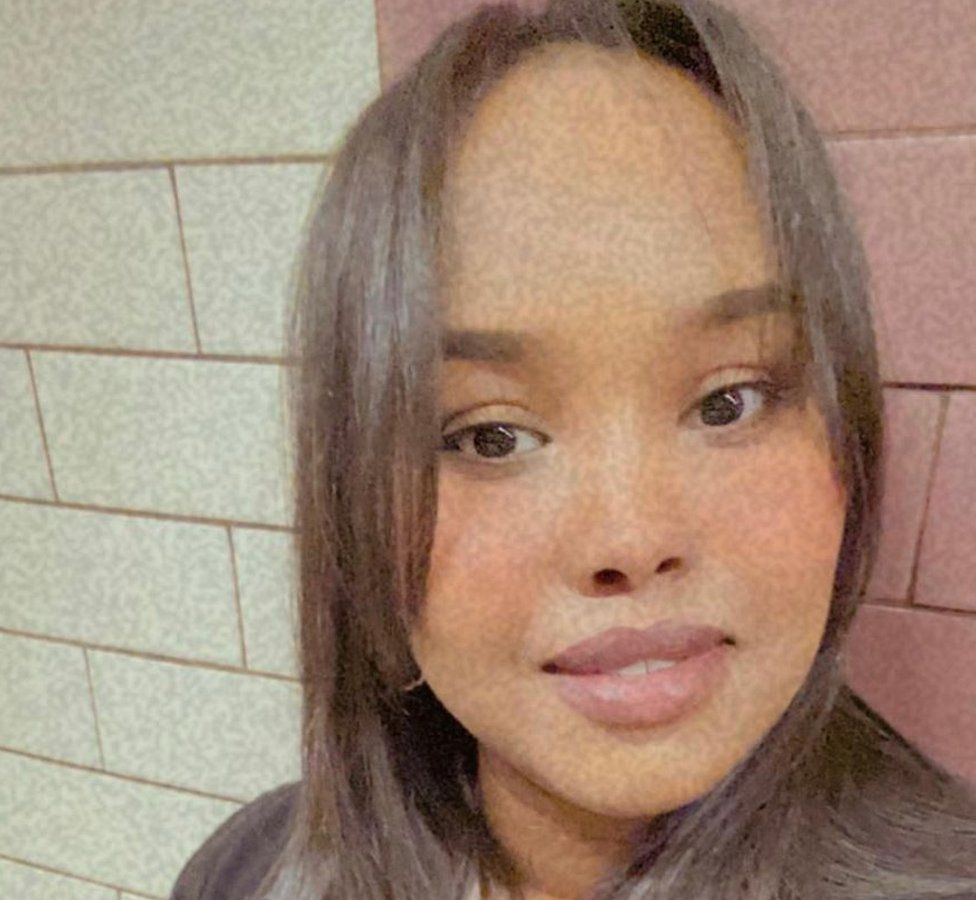
BBC journalist BellaIMAGE SOURCE,SUPPLIED
Image caption,
Bella took a photo on her first day without a hijab

As a BBC journalist, Bella is a recognisable figure in Somalia. The decision to take off her hijab caused a backlash and she wondered if she should have waited longer.

"I no longer feel accepted in my own community and I no longer feel that I am safe," she says.

"After I took off my hijab, I started getting death and rape threats from men. They were criticising me, slut shaming me - men I didn't know."

She adds: "There is no specific punishment for women who don't wear the hijab. It says in the Quran that God will deal with them, but Muslim men from my country decided to deal with me, instead of God."

In Somalia, Bella says that the hijab has very deep roots and many women who don't want to wear the hijab will simply never be able to take it off.

"I hope that one day the women in my country will have the courage and will to do what they want instead of just listening to what others want, especially men."